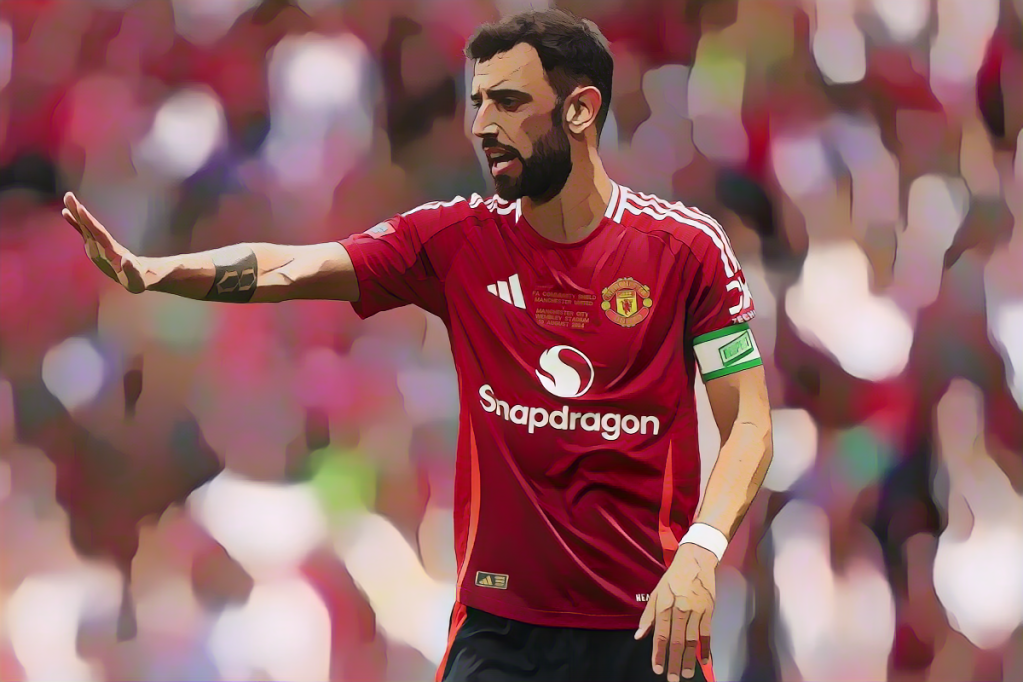
It is difficult to find a metric that Bruno Fernandes isn’t near the top in for Manchester United since his arrival in 2020. The Portuguese has been United’s talisman – often acting as the team’s only shining light – for half a decade.
The same story rings true this season: Fernandes is United’s leading goal scorer and assist provider, his 5.29 shot-creating actions per 90 is significantly ahead of any other Manchester United player, he’s had 250 more touches than anyone else, and he ranks second for total tackles with 59.
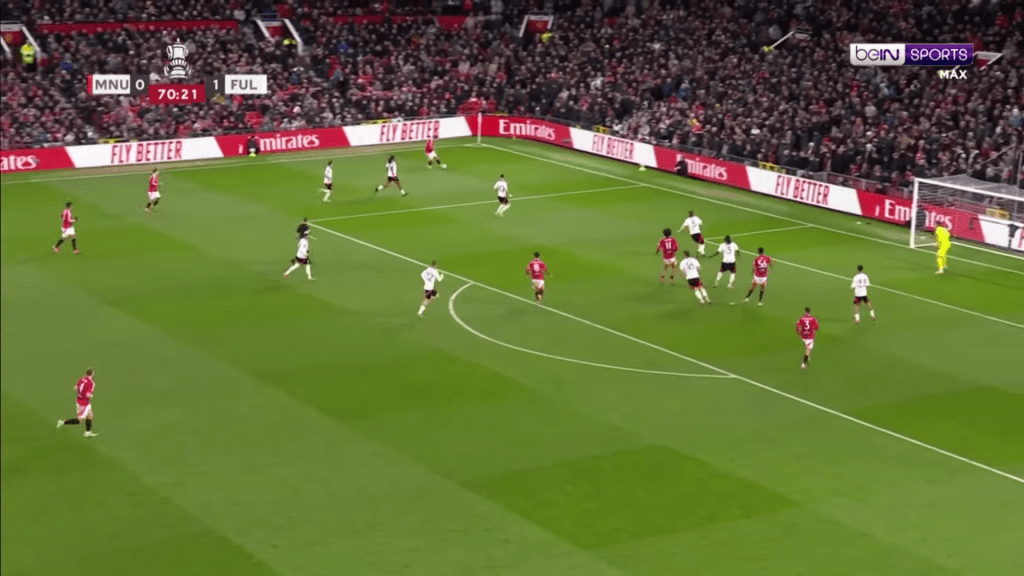
In recent months, almost all of United’s fleeting positive moments have come through Fernandes. Goals against Arsenal and Fulham dragged United to being a penalty shootout away from an FA Cup quarter final, and his goals have inspired comebacks against Manchester City and Liverpool in the Premier League this season.


Yet Fernandes’ glistening early days at United, where he produced 30 Premier League goal contributions in his first full season, saw one big criticism leveled at him.
He ‘doesn’t turn up in the big games’ – or to put it into perspective – he has produced 19 goal involvements in 46 games against the Premier League ‘big six’ during his time at United. That’s equivalent to a goal involvement every 217 minutes – his overall average is one every 120 minutes.
That’s a sharp drop off in output against the top teams, which, if Ruben Amorim’s ambitions to “win the league by 2028” are to be considered a point of judgement, would make it almost impossible for United to win their first title since 2013.
As the team’s only shining light, Fernandes continuously receives praise for his “I’ll do it” attitude. He is always looking to get on the ball and impact the game, even if the end result isn’t what is desired. Amorim is always full of public praise for his team’s captain.
Yet that only tells one side of Fernandes’ story. He is critiqued – somtimes justly, sometimes not – over his lack of leadership, occasionally poor work ethic and showings of a short temper. He received a first-half red card against Tottenham Hotspur this season, amidst a team performance that Gary Neville deemed “an absolute disgrace”.
Roy Keane has also laid into the Portuguese saying that “talent is not enough”, and that Fernandes “hasn’t done enough” as captain in the last two years.
But after Fulham eliminated United from the FA Cup yesterday, Amorim expressed that the team have to prioritise progressing their performances rather than their results: “Try to imagine how we are going to improve the team. Not just in this moment and this season, but for the next season as well” he said after the game.
While Amorim is talking about the future, there is certainly an order to his ‘to do list’. Inserting some more genuine quality into the squad has to be near the top, as does further instilling his unique style of play unto his players.
But say United do take a step forward next season. They’ve signed a few players who are a good fit to the manager and who have room to develop into one of Europe’s elite in the years to come.
Then say they progress further the following season. These players have had a year to embed themselves in the club culture, and there are additional new faces who are adding further quality to the blossoming group of players.
Somewhere along this process, Fernandes’ captaincy might become an issue for Amorim. While he is a no brainer for the role now with United’s squad devoid of any quality or leaders, it is likely that Amorim will want to name ‘his captain’ to take the Red Devils back to the heights with which they became so familiar.
Would Fernandes be the first choice for the role? Probably not. His temperament and work-rate don’t make him a natural captain – certainly for a side with ambitions to compete for titles.
It remains to be seen how important Fernandes’ quality will be for United in years to come, and there is no doubt that he is capable of being one of the world’s best midfield players. But would the 30-year-old be content with being just a ‘cog’ in the United system rather than his current role as architect, engineer and product?
That’s for Fernandes and Amorim to decide.
 Pressing Issues
Leave a comment